
Estudio Furia

Guide · SEO for Wineries in Chile

SEO for wineries in Chile

How a Chilean winery sells more through its own channel: direct e-commerce, wine tourism, exports to the US market and presence in AI engines.

By Axel Rodríguez · Estudio Furia · 2026

In short

Winery SEO, in one sentence

A Chilean winery grows on Google when it works three fronts at once: direct-to-consumer e-commerce (pages by grape, format and price that capture people searching to 'buy wine online'), wine tourism (pages by valley with the real experience, high local intent) and export (a serious English version to sell in the United States).

On that base of brand, product and territory, the wine sells without depending only on the distributor.

D2CBetter margin than distributor
USAExport with a bilingual site
ValleyHigh-intent wine tourism
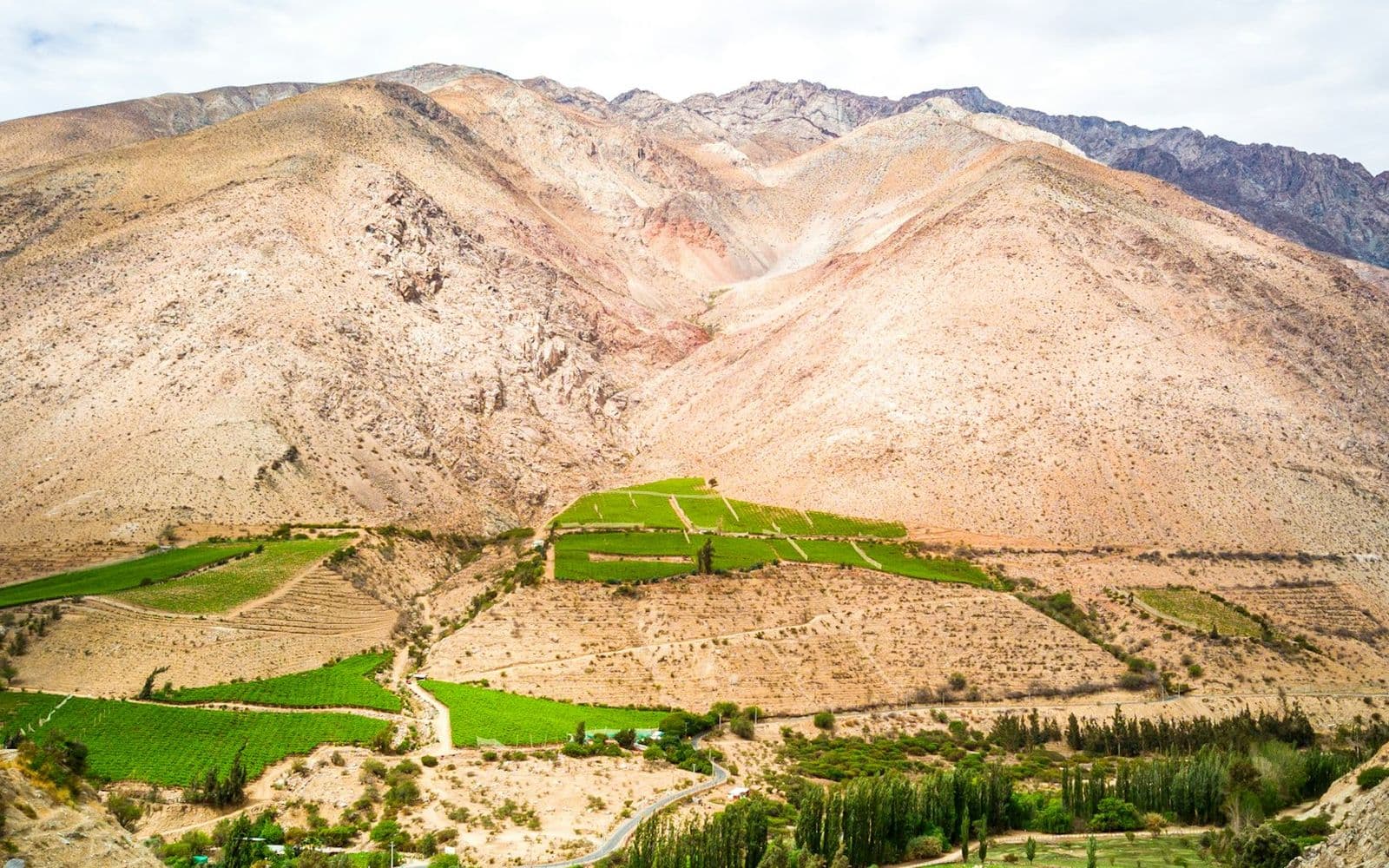
Vineyards and hills in Pisco Elqui, Chile
Photo: David Vives · Unsplash

Why a winery needs its own SEO

Chilean wine has prestige, but most wineries depend on third parties to reach the consumer: supermarkets, distributors, importers. Every intermediary takes margin and, above all, takes the relationship with the customer. SEO changes that equation: when your website appears for “buy premium [grape] online” or “winery to visit in Colchagua”, you sell direct, with better margin and with your own data on your buyer.

It is not about replacing distribution, but about adding a channel that is yours. And that channel, well worked, also strengthens your brand in front of the importers themselves: a winery with a solid digital presence negotiates differently.

Direct e-commerce: product pages that sell and rank

The heart of a winery's SEO is the store. Every wine deserves its own page: grape, valley, vintage, tasting notes, pairings, awards. That information answers exactly what the buyer is looking for and, along the way, is what Google needs to rank the page. Add local payments (Webpay, Chile's card-payment gateway), clear shipping and structured product data, and you have a store that converts and shows up in purchase searches.

We build this kind of e-commerce for wineries such as Bandini Wines and Cupra Wines, combining premium brand design with a technical base built for Google.cl (Google Chile) and loading speed.

Exporting to the United States: truly bilingual SEO

The United States is a huge market for Chilean wine, and a good part of that demand starts with a search in English. Capturing it takes more than translating: you need a real English version, pages by grape variety and by valley, content designed for the US consumer and importer, and the right hreflang so Google shows the appropriate version in each country. It is the kind of bilingual work we do for wineries that sell to the US, with a focus on both Chile and abroad.

Wine tourism: local searches that fill the tasting room

“Vineyard to visit near Santiago”, “wine tour in Casablanca”, “tasting in the Colchagua Valley”: these are very high-intent searches that end in an in-person visit and sales at the winery itself. They are won with geo-targeted pages by valley that answer the concrete questions (hours, experiences, bookings, how to get there) and, if you have a verifiable address, with a complete Google Business Profile listing.

GEO and closing

When someone asks ChatGPT or Perplexity to “recommend a Chilean carménère” or “wineries to visit in Colchagua”, well-structured content is what gets you cited. It is the natural extension of SEO, and we explain it in detail in our guide to GEO.

To place this in a broader strategy, see the general guide to SEO strategies for companies or the page on SEO in Chile. At Estudio Furia we work with wineries, combining brand, e-commerce and rankings, in Chile and for export.

Frequently asked questions

Does SEO make sense for a winery that sells through distributors?

Yes, for two reasons. The direct-to-consumer (D2C) channel grows year after year and has a much better margin than the distributor; ranking for 'buy [grape variety] online' captures that demand. And brand SEO builds the reputation that later helps place your wine with importers and on wine lists: when people search for you by name and find a solid website, the commercial conversation changes.

How do I rank to export wine to the United States?

With a real English version (not machine translation), pages by grape variety and by valley, and content that answers what an importer or a US consumer searches for: region, grape, tasting notes, awards. Correct hreflang tells Google which version to show in each country. It is exactly the kind of bilingual work we do for wineries that sell to the US.

What content works for wine tourism?

Geo-targeted pages by valley (Casablanca, Maipo, Colchagua, Aconcagua) with the concrete experience: hours, tastings, how to get there, bookings. Wine tourism means high-intent local searches ('vineyard to visit near Santiago') that bring real visits to the winery and sales on the spot.

How long does it take to deliver results?

First movements within 3 to 6 months. Wine e-commerce is competitive, but niches (a specific grape, a valley, a premium format) can be won sooner. SEO is combined with Google Ads to have sales from the first month while organic matures.

Measured

The data, in the account

Every chart names its platform and period. Data comes from real accounts, queried by API on Oct 10, 2026.

Clicks and impressions per week · full weeks

Search Console · La Pradera

Clicks per week
0200400600800oct 25jan 26aprjul
Impressions per week
010,00020,00030,000oct 25jan 26aprjul
Google Search Console

Measured in Google Search Console

Built and measured with

  • Google Search ConsoleGoogle Search Console

By Axel Emiliano Rodríguez, founder and director of Estudio Furia

Last updated: